
Stay on the card. Stay in the loop.
See weigh-in, bout, and ring. Watch when they go live. Message the gym — without living in the group chat.
Fighters don’t sign themselves up to fight. Coaches put them on the card. Parents see the card. That’s how the gym already works — the app follows it.
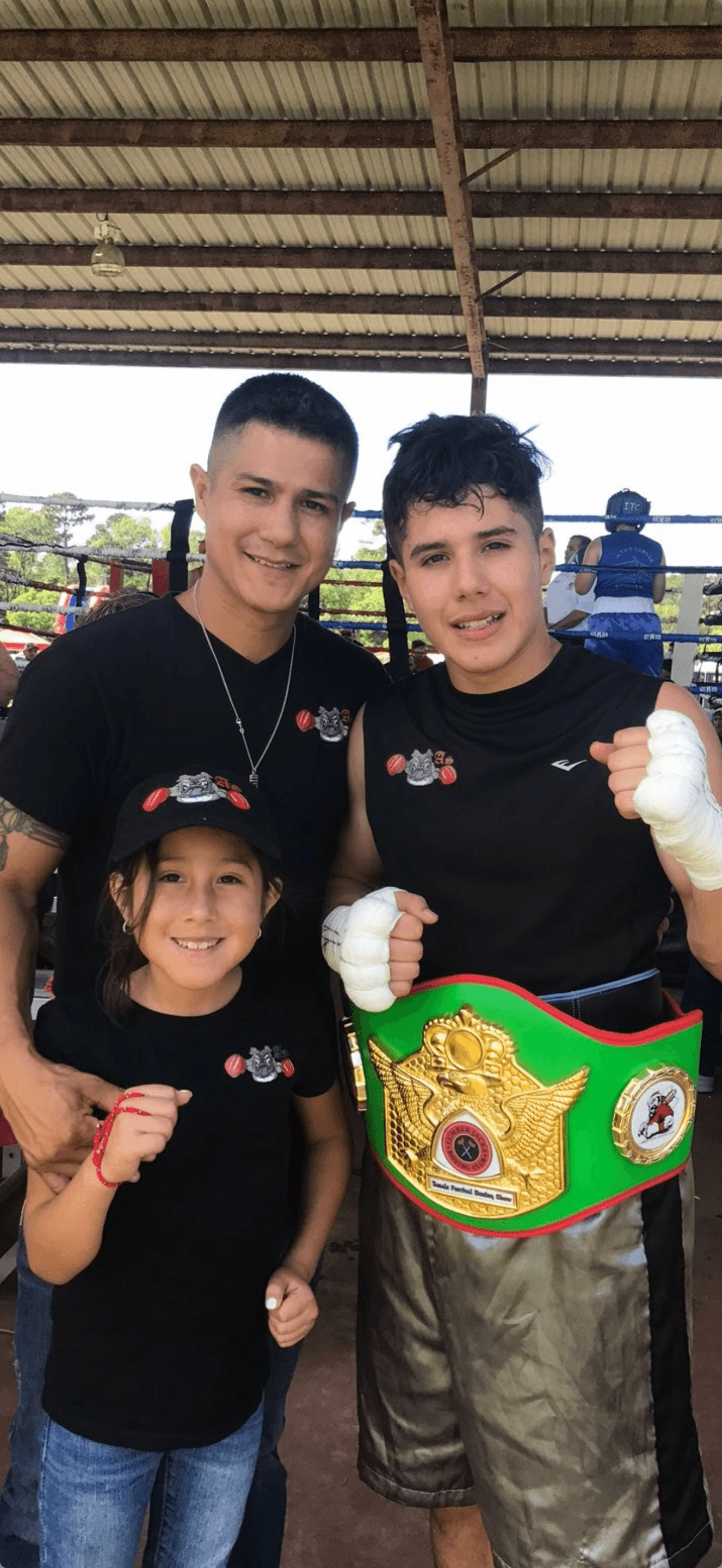
See the card. Skip the group chat.
Link your athlete in one code.
Their fighter profile, their coach, or the gym sends it. You paste it. You’re linked.
The schedule lives in one place.
When they’re registered for a show, tournament, or sparring, it shows under My Events — bout, ring, weigh-in, watch live.
Talk to the gym, not the whole internet.
Everyone and Parents threads. The fighters-and-coaches team chat stays with the team.
What you actually get.
Link with invite code
From Profile. Codes from a fighter last 14 days. Gym team links last 24 hours.
My Team
Gym roster and other linked parents (read-only). If your child is a gym guest (no app), you can update their roster info.
My Events
Upcoming and past. Weigh-in status. Watch live when the show is streaming.
Chats
Everyone + Parents. Ask your coach for a team invite if you don’t have a child linked yet.
Three steps.
Create a Parent / Guardian account
That’s a separate role from Fighter. If your kid fights, they get the Fighter account; you get this one.
Enter the code from the fighter, coach, or gym
Profile → Link with invite code. Fighter codes last 14 days. Gym team links last 24 hours.
Open My Team and My Events
See the roster (read-only) and every card your linked kids are on.
What parents don’t do
Parents don’t register anyone to fight, create events, or post flyers. The coach still runs the card. You see it.
If your athlete is under 18, they should use a Fighter account. You use Parent. After they sign up, they generate a parent invite from Profile → Parent / guardian.
Get theapp.
Free for parents. The coach still runs the card.


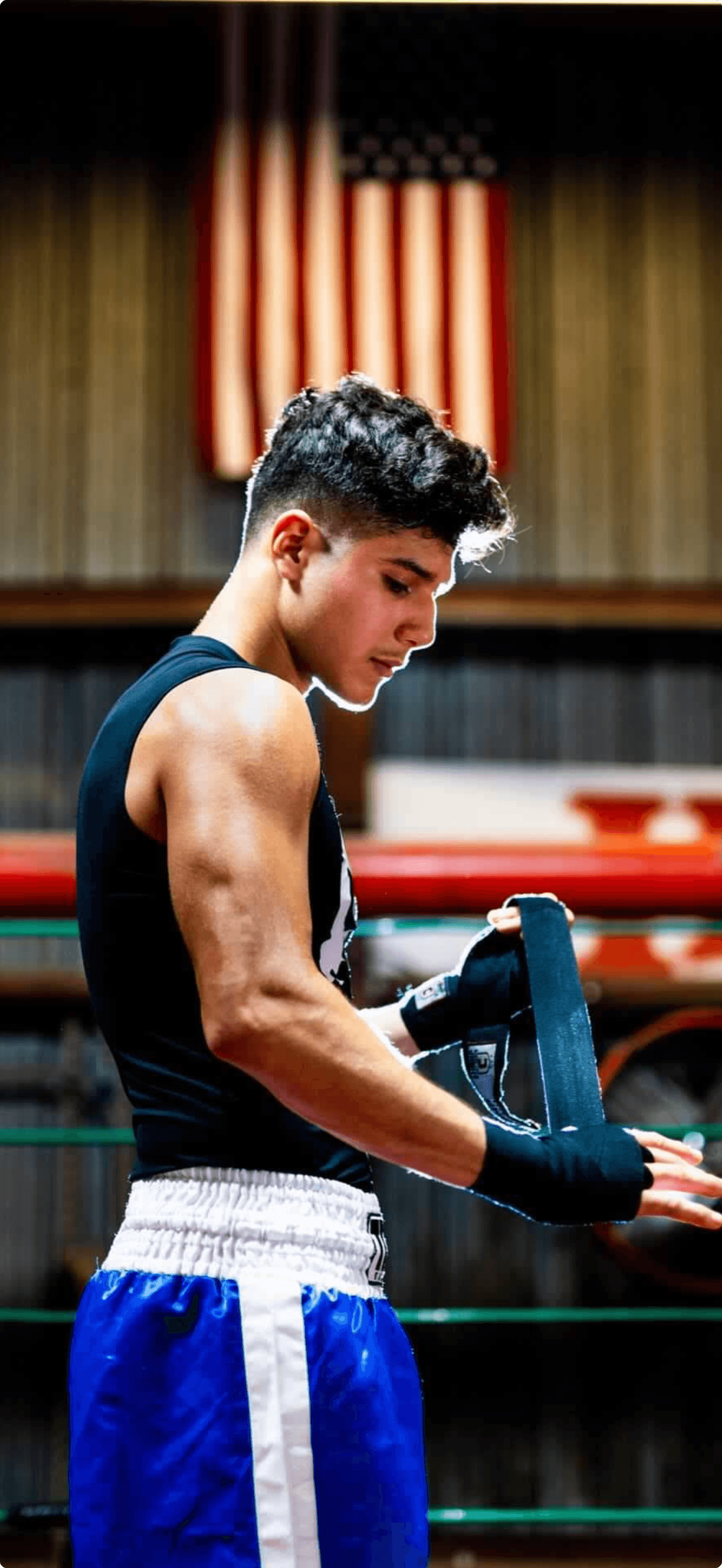


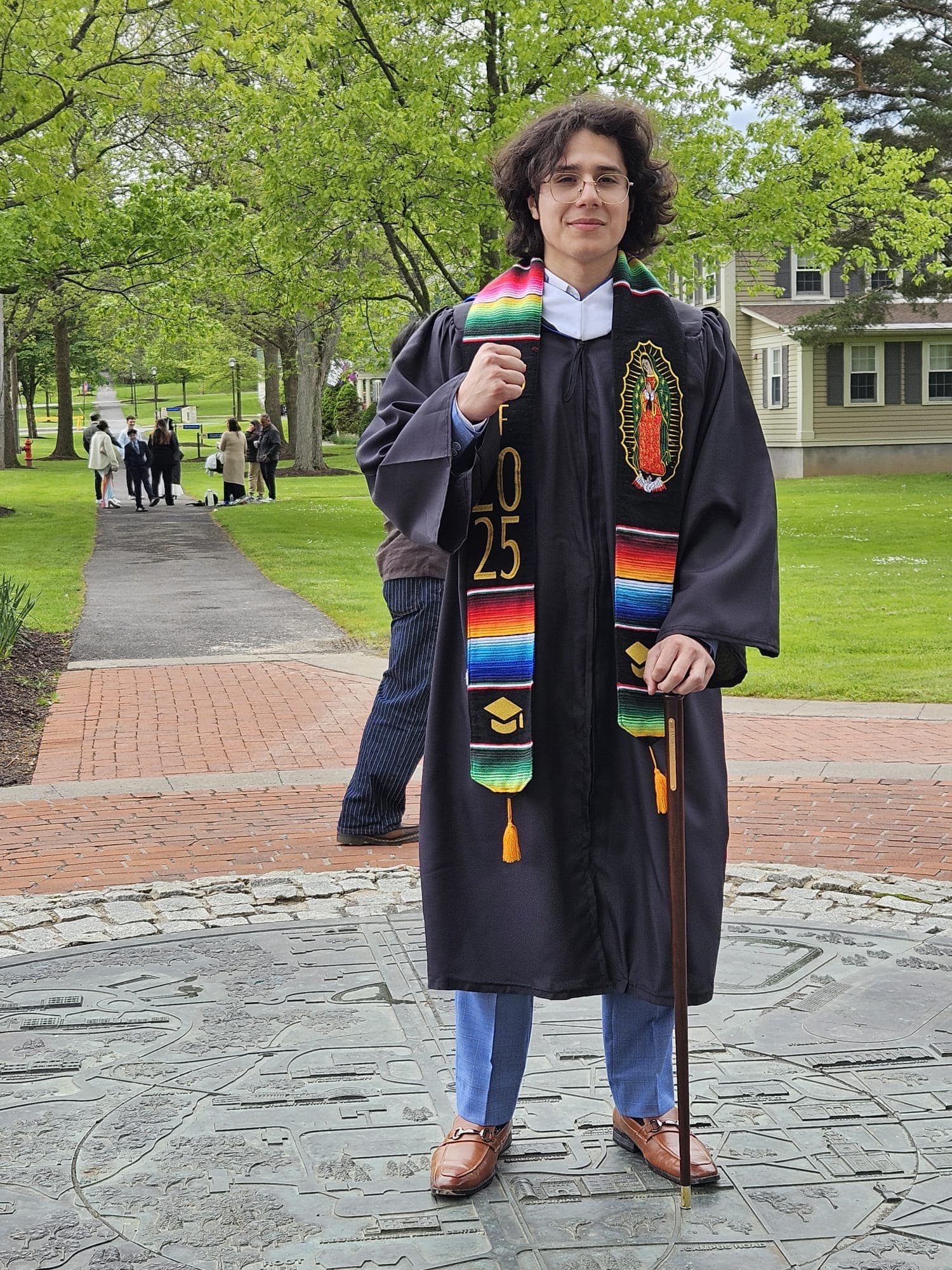
Alexis Ortiz
Fighter, Developer, Educator · Houston, TX
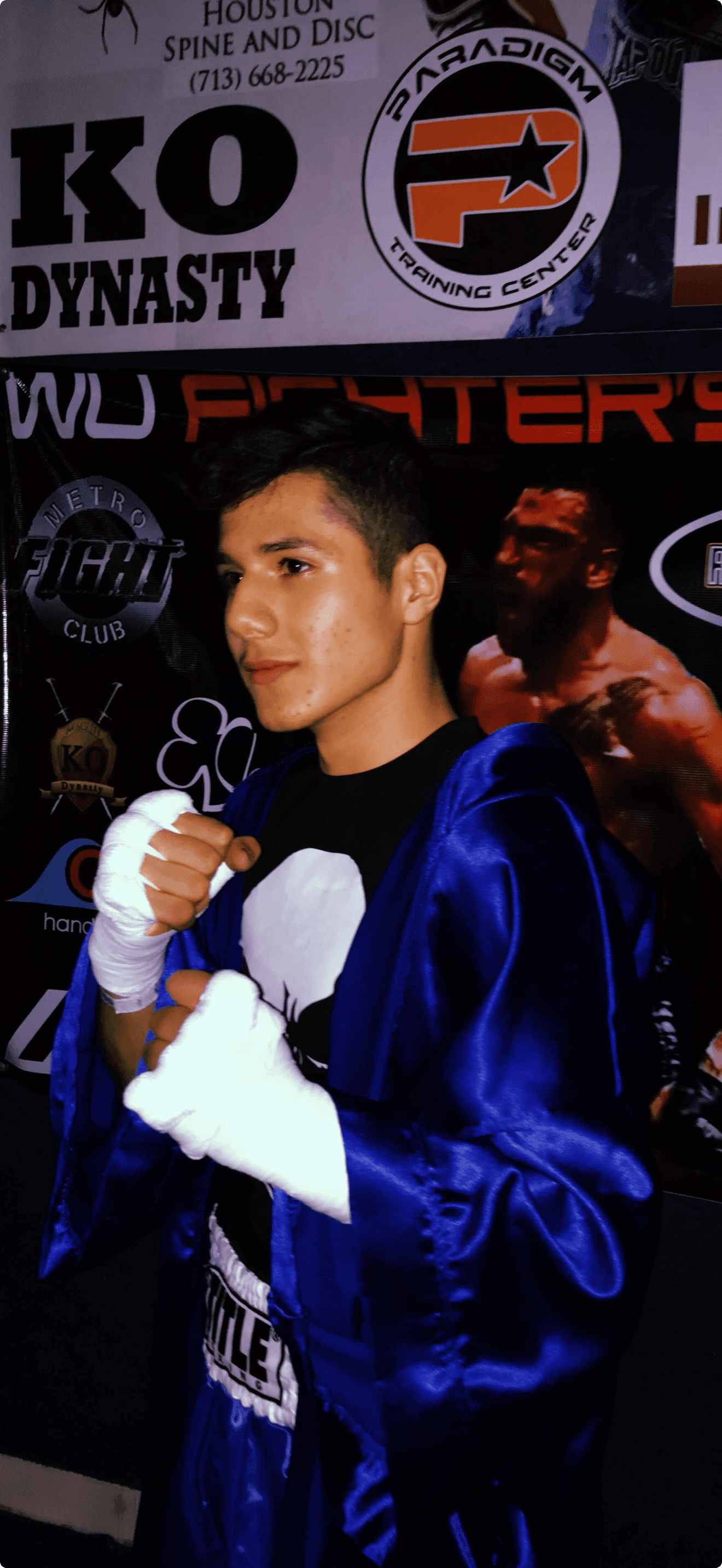
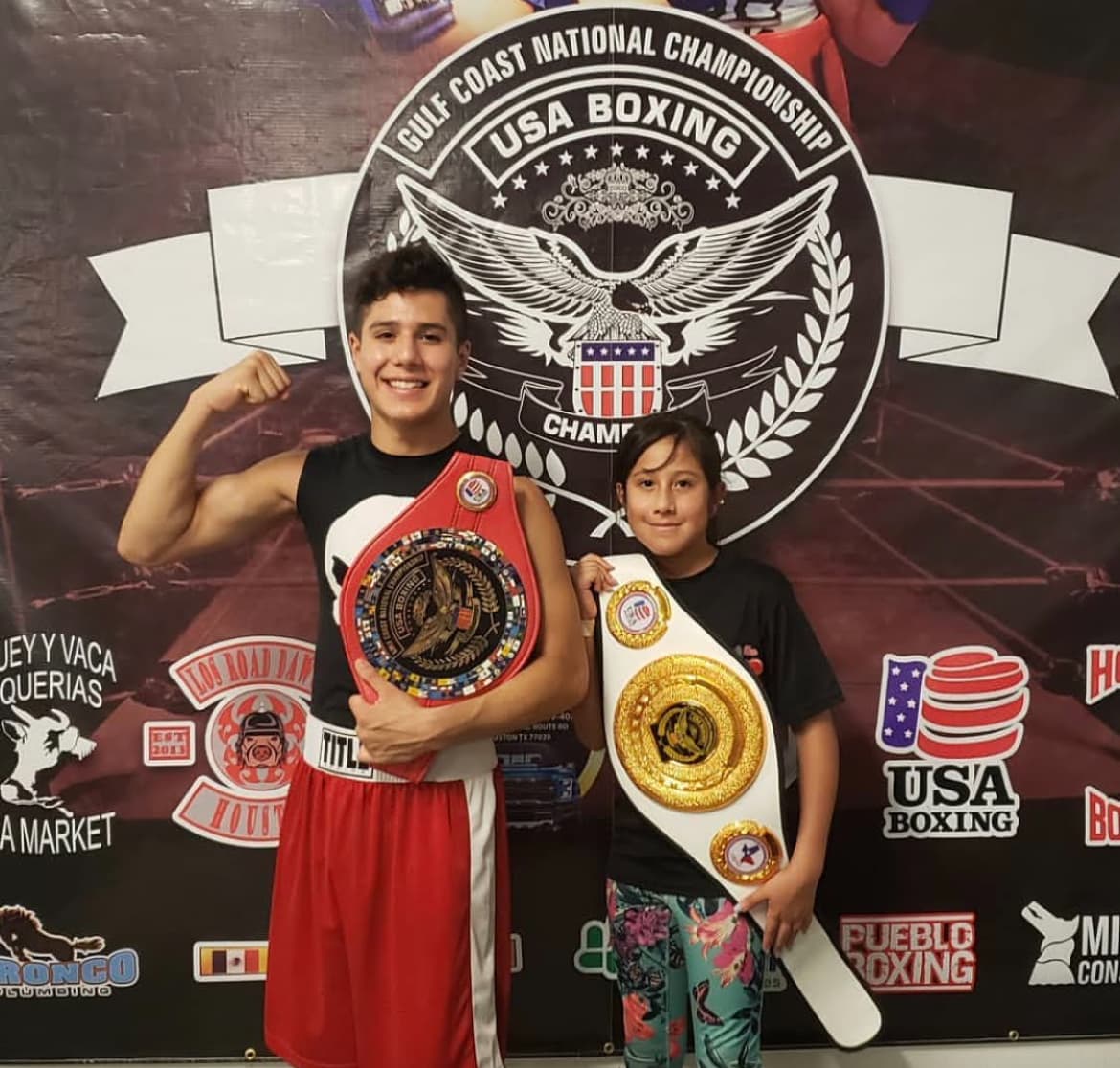
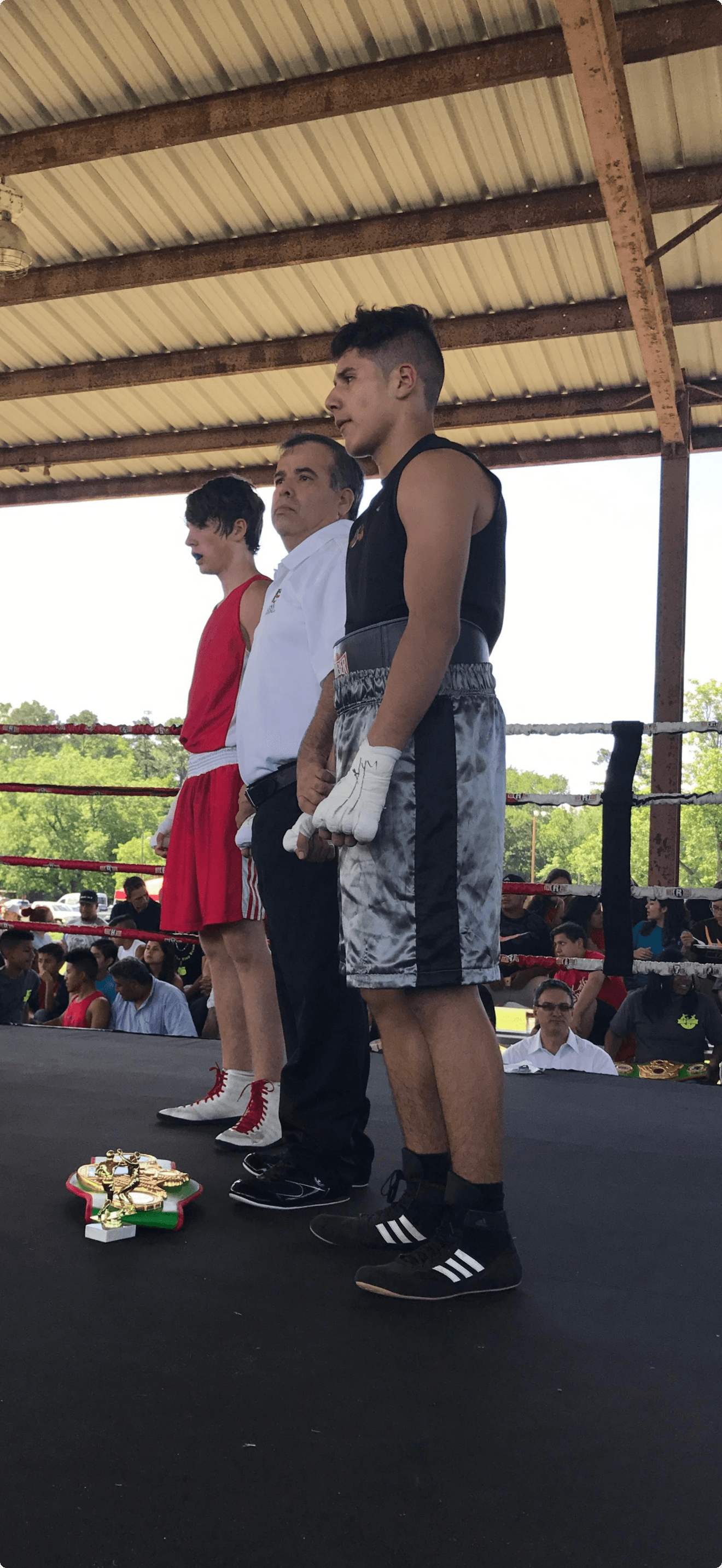
I grew up in the Houston boxing community, training and coaching at my family’s gym. I’ve watched fighters and coaches drown in DMs and group chats. I’ve had sparring sessions fall through and lost evenings of work. I’ve seen shows go to event day with a bout sheet that was only half full.
Boxing Network is the tool I wished existed when I was looking for sparring, scouting gyms in a new city when we've traveled for nationals, or when we were trying to matchmake for an event. I graduated Hamilton College, NY, with a degree in Computer Science and Mathematics and combined my passion for boxing with my technical expertise to create Boxing Network.
Built in the gym.
Boxing Network started after one too many missed fights. A camp ends, a fighter is ready, and the bout falls through because the right opponent never saw the call. Or a gym puts on a show and the room is half-empty because the flyer lived in three group chats and a facebook group where everyone is doing the exact same thing.
We're fighters and coaches who got tired of running the business of boxing on tools built for everything else. Sparring shouldn't take a week of DMs. A bout sheet shouldn't live only on a spreadsheet. Finding a gym in a new city shouldn't require knowing someone who knows someone.
So we built the network we wanted to fight in. One app. Every gym, every fighter, every event, every corner — pulled together, still local, still ours.
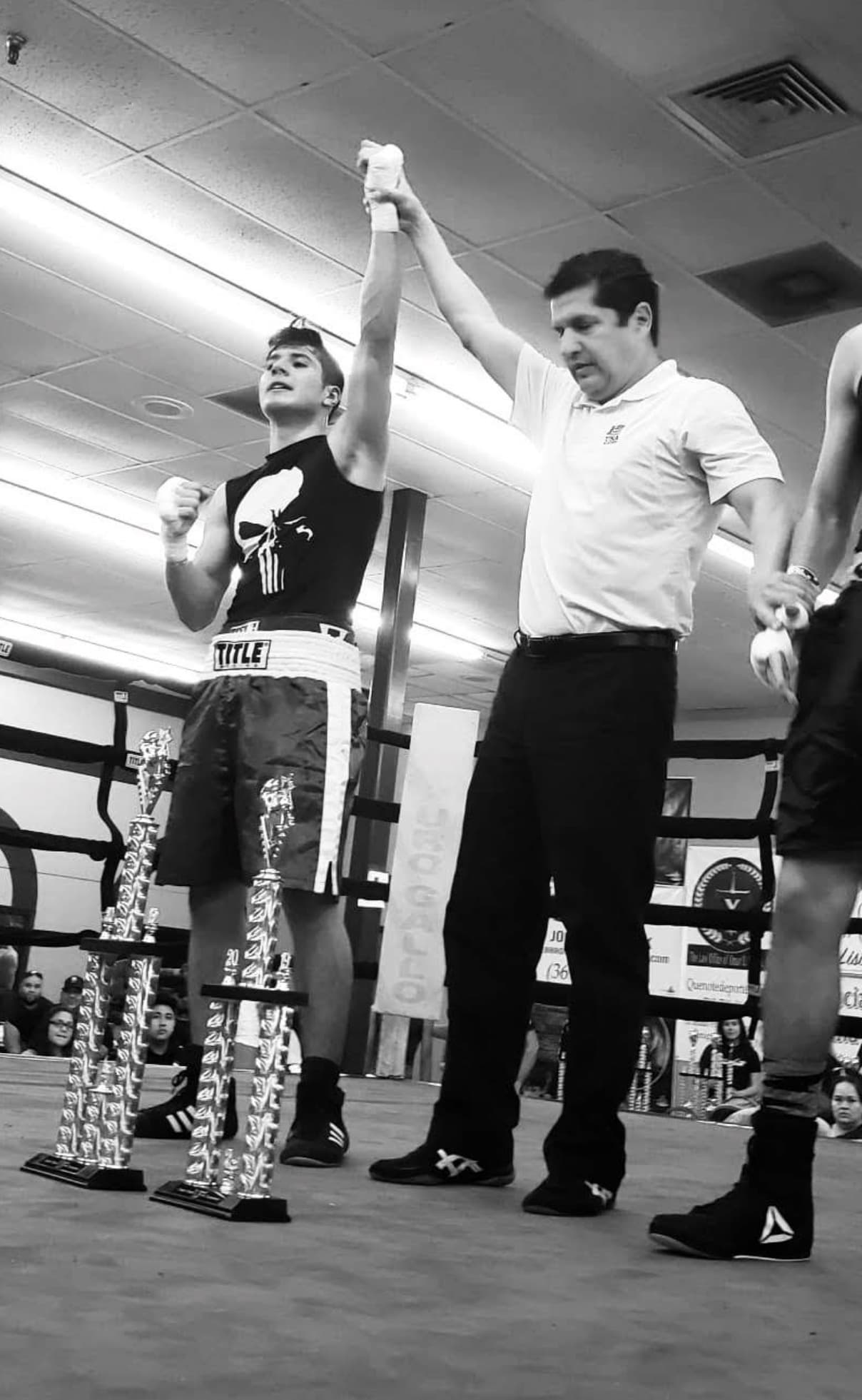


Four corners. Four rules.
Built in the gym
Every feature started with a real fight night, a real bout sheet, a real gym we train at. Nothing is theoretical.
Fighters first
Every decision begins with the boxer. If it doesn't make their next fight easier, it doesn't ship.
Local before global
We grow block by block, gym by gym. The scene is local — the tools should be too.
No middlemen
Direct connections between fighters, coaches, gyms, and organizers. No gatekeepers, no agents in between.